



How to extract lithium from electrolytic aluminum waste residue?
There are various methods for extracting lithium from electrolytic aluminum waste, among which the more mature and economical methods are acid leaching and alkaline leaching. The acid leaching method mainly uses acidic media such as sulfuric acid and hydrochloric acid to leach waste residue, and then uses alkaline substances such as lithium hydroxide to precipitate lithium. The alkaline leaching method uses alkaline media such as sodium hydroxide to leach waste residue, and then uses acidic substances to precipitate lithium. Both methods have their own advantages and disadvantages, and the specific choice depends on the composition and characteristics of the waste residue.
Both acid leaching and alkali leaching methods require pre-treatment of electrolytic aluminum waste by grinding. Firstly, dry the waste residue to reduce its moisture content to below 5%. Then, the powder is ground using a grinder to obtain powder with a particle size below 100 mesh, providing better conditions for subsequent processes.
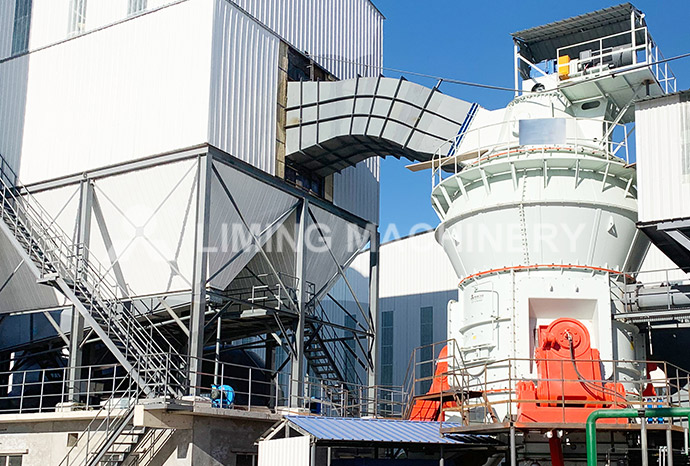
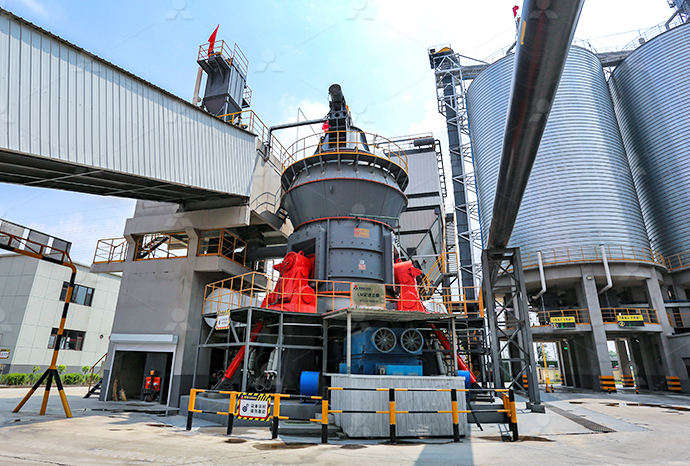
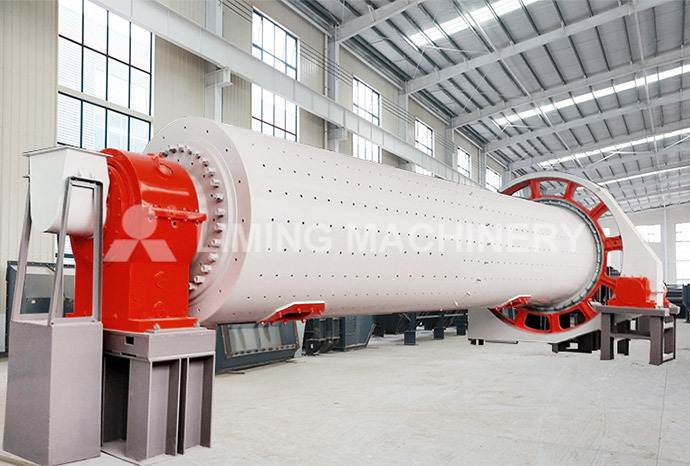
For the grinding fineness and common production capacity requirements of electrolytic aluminum waste slag, both European and vertical grinding machines can meet their processing needs.
CASOS
-
>
Molino vertical, escoria de proceso, malla 325, 80-100 t/h
-
>
Molino vertical de rodillos LM para la fabricación de polvo de piedra caliza
-
>
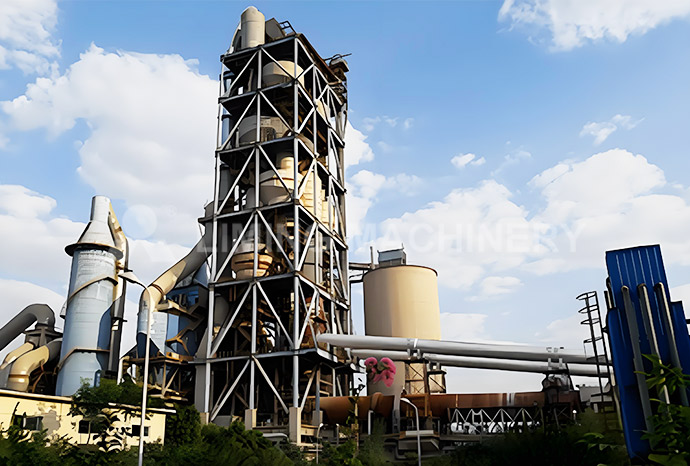
Planta de cemento silicato de 1000 t/d
-
>
Preparación de polvo de arena caliza
-
>
Línea de producción de polvo de escoria de aluminio electrolítico
-
>
Proyecto de preparación de carbón pulverizado
-
>
Molino de carbón, 200 mallas, D85, 30 tph
-
>
Línea de producción de clínker de cemento de 1500 t/d
-
>
Horno industrial para la preparación de carbón pulverizado
-
>
Proyecto de preparación de carbón pulverizado de alta eficiencia
Más información

 Chat en línea
 Deja un mensaje